
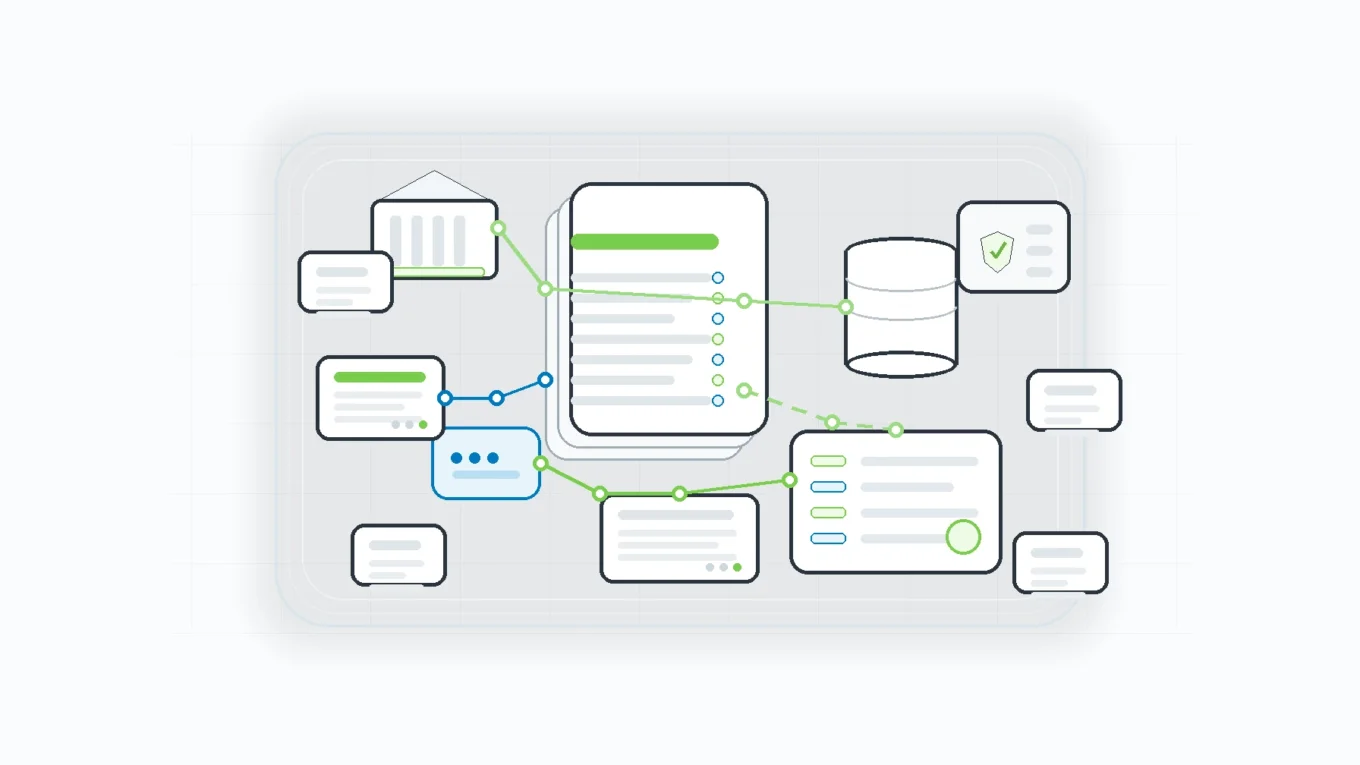
Government forms are rarely just web forms. They collect citizen data, route evidence into agency systems, support program decisions, and often become part of a defensible record. For government IT teams, the question is not only whether a form can be built quickly. The question is whether the form platform can live inside the compliance, data, accessibility, and audit boundaries the agency already has to defend.
The Compliance Threshold For Government Forms
Government data collection starts with a threshold question: can this platform fit the agency's control environment?
For federal programs, that means the deployment and operating model may need to support FedRAMP cloud review, FISMA program expectations, and NIST SP 800-53 control mapping. For state and local agencies, it may mean StateRAMP or GovRAMP review. For public-facing services, it also means Section 508 accessibility expectations. For law enforcement and justice workflows, the architecture may also need to account for CJIS Security Policy requirements.
Form.io should be evaluated as self-hosted form infrastructure, not as a hosted shortcut around those obligations. The value is that government teams can deploy Form.io into an agency-controlled cloud, private cloud, on-premise, or other approved environment and then assess that deployment inside the correct authorization boundary. A platform can help with the form, API, workflow, audit, and signature layer. It cannot certify the whole agency system by itself.
Deployment Architecture Inside The Agency Boundary
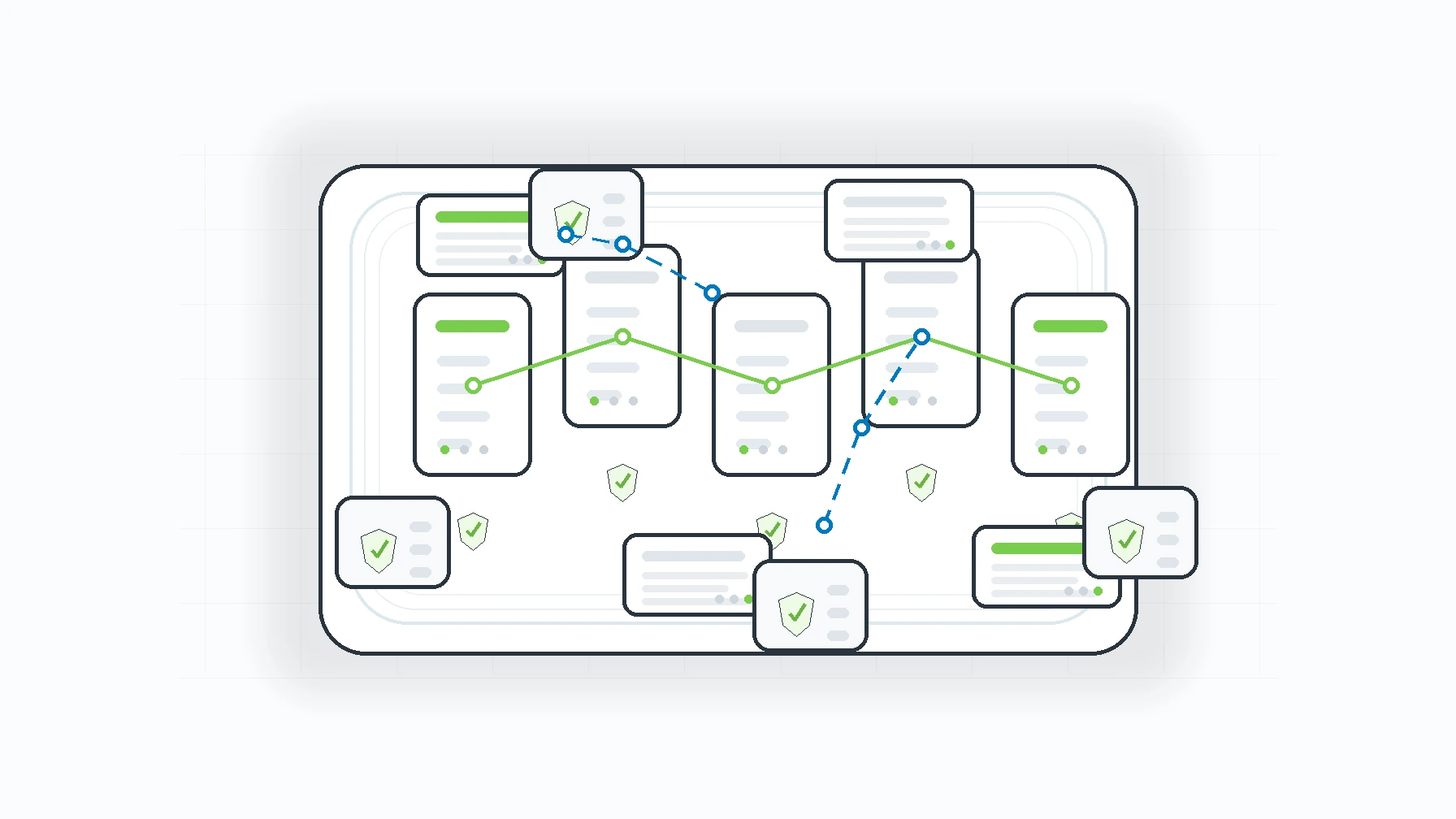
For a government technical review, the deployment diagram matters because it shows what stays inside the agency-controlled environment.
| Agency or FedRAMP authorization boundary | Form.io role inside the boundary | Compliance review value |
|---|---|---|
| Public portal, staff portal, or program application | Embeds Form.io-rendered forms into the approved user experience | The form surface can follow the agency's identity, accessibility, routing, and monitoring model |
| Form.io API server and form renderer | Runs the form, submission, permission, action, and generated API layer | Reviewers can evaluate the form platform as part of the controlled application stack rather than as an external SaaS account |
| Agency database or approved managed database | Stores form definitions, submissions, files, revisions, and workflow records according to the deployment design | Sensitive citizen or program data does not have to be stored in a vendor-managed multi-tenant form database |
| Identity, logging, monitoring, backup, and network controls | Connects Form.io to SAML, OAuth/OIDC, LDAP, custom JWT, logs, SIEM, storage, and internal APIs | Security teams can map access, evidence, retention, and incident response to existing operating controls |
| Downstream systems of record | Receives structured submission data through APIs, actions, or integration services | Intake can feed case management, permitting, licensing, benefits, justice, records, or reporting systems without spreadsheet handoff |
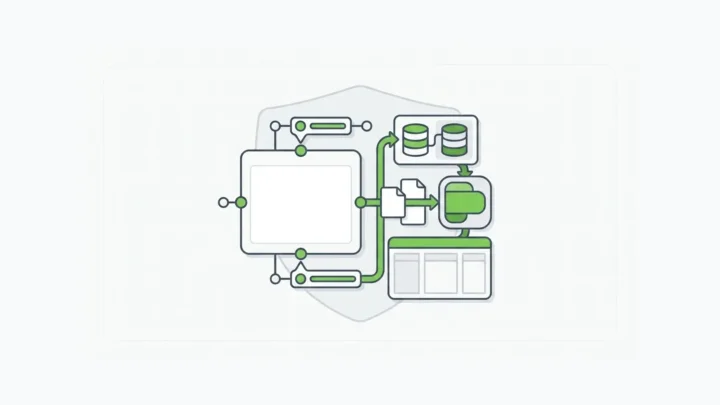
The practical architecture is simple: citizens and staff interact with forms through the agency's approved application surface; Form.io handles the form schema, validation, submissions, APIs, workflow actions, and e-signature records inside the agency boundary; agency systems receive structured data through controlled integration paths. Form.io’s deployment documentation describes the platform as installable within a cloud environment, on-premise data center, or local environment, which is the starting point for this type of boundary review.
Why Self-Hosted Government Form Infrastructure Matters
Many government form projects fail procurement review before feature comparison begins. The issue is not the form builder UI. It is the data path.
A hosted SaaS form tool can be convenient for low-risk public intake, but it may be disqualified when submissions contain sensitive citizen data, criminal justice information, benefits data, health records, controlled program records, or internal agency information. If the data must stay on-premise, inside a private cloud, or within a government-controlled environment with zero third-party access to submissions, the form platform has to support that architecture.
Form.io self-hosting is built around deployment into the customer's environment. That matters for a government agency because the form layer can sit closer to identity, logging, storage, API gateways, network controls, and records-management systems. Instead of sending form submissions into an external vendor account and pulling them back later, the agency can keep the intake workflow inside its own operating model.
That distinction is especially important for air-gapped form infrastructure, private cloud form deployment, and agency systems where data sovereignty is not a preference. It is a requirement.
Schema-Linked Intake, Not Isolated Form Fields
A government form should not create a private data model that only the form vendor understands. Modern government services need structured data that can move into authoritative systems without losing meaning.
That is why schema-linked form infrastructure matters. A form used for permitting, benefits eligibility, licensing, public safety intake, or health program enrollment may need to align with an agency data dictionary, a JSON schema, a NIEM exchange pattern, an HL7 FHIR resource model, or a custom enterprise API contract. The NIEM program exists because government information sharing depends on common semantic understanding and consistently formatted exchange data. In health workflows, HL7 FHIR plays a similar role for healthcare interoperability.
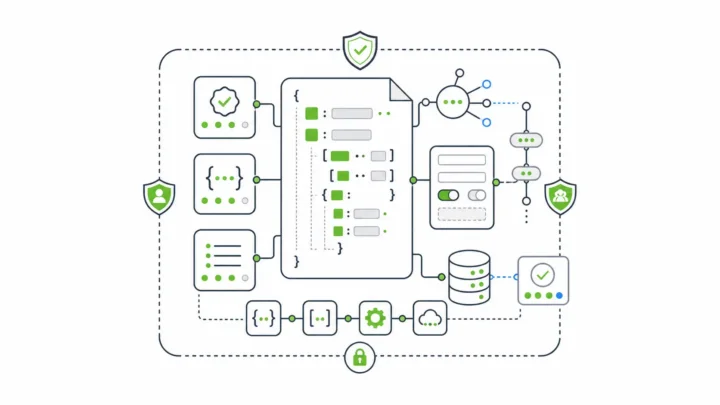
Form.io’s form builder and API model helps here because forms are not only visual layouts. The form schema defines fields, validation, conditional logic, submission structure, and API behavior. The same form that a citizen sees can become part of a structured data collection API that downstream systems can consume.
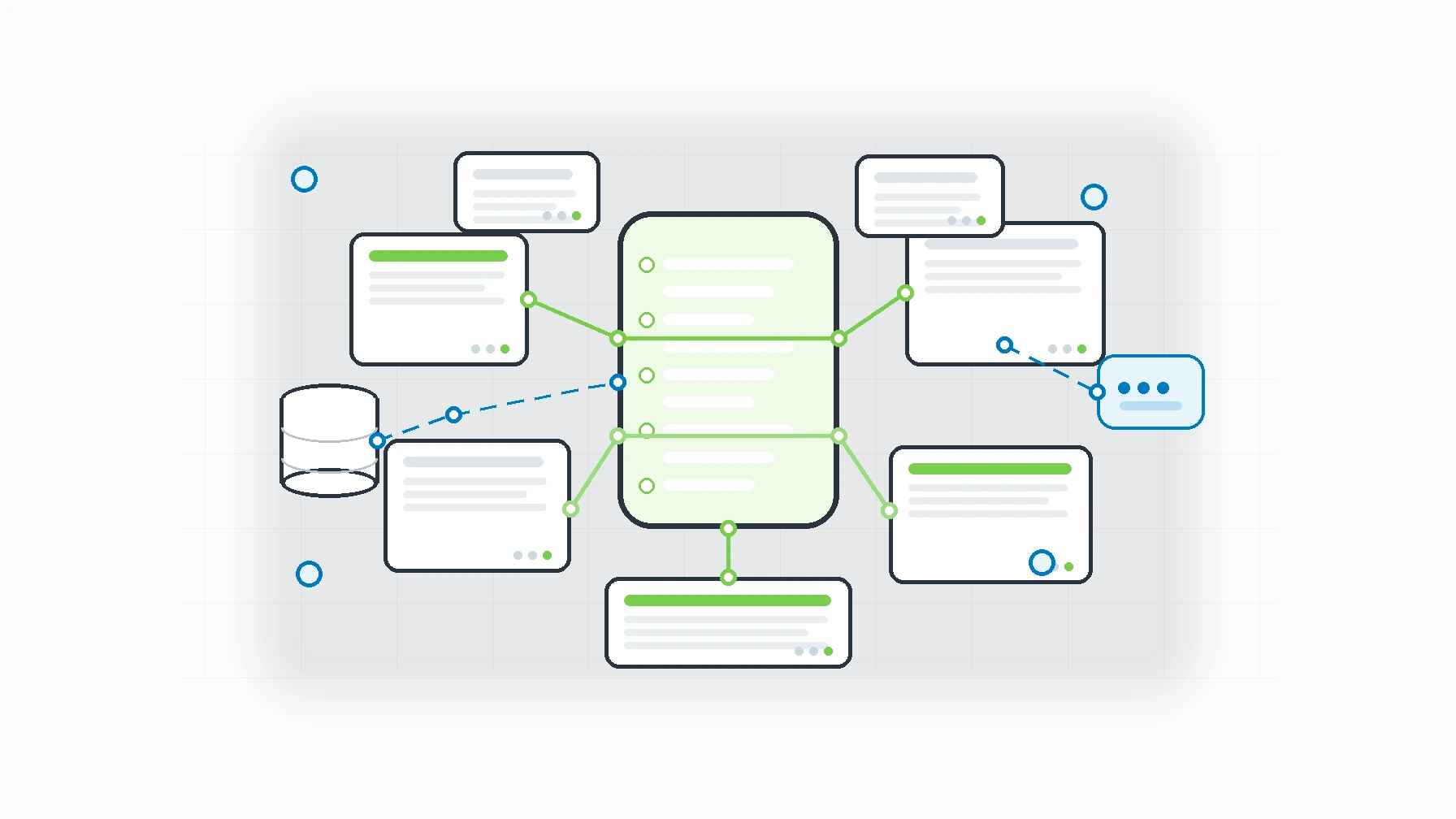
Form.io's JSON model is the architectural difference. A government form definition can carry the field key, component type, validation rule, required state, conditional behavior, calculated value, nested data structure, and submission path in one machine-readable schema. That means an agency can map a field like applicant.ssn, case.incidentDate, permit.parcelId, or benefit.householdMember[].income to an internal data dictionary instead of treating the field as a label on a vendor-hosted form.
In a NIEM-style exchange review, the key question is whether the collected data can preserve semantic meaning as it moves from intake into another system. Form.io does not make a NIEM implementation automatic, but its schema-driven model gives technical teams a controlled place to align form field keys, nested objects, validation constraints, and API payloads with NIEM elements, agency dictionaries, or program-specific exchange models. A SaaS form export usually starts the cleanup after collection. A schema-linked Form.io implementation can make the data contract part of the form design before the first submission arrives.
For government enterprise architects, this changes the evaluation question:
| Requirement | Lightweight form tool | Schema-driven government form infrastructure |
|---|---|---|
| Data model | Often implicit or vendor-specific | Explicit form schema and submission structure |
| API behavior | Export, webhook, or connector added later | Form and submission endpoints are part of the platform model |
| Interoperability | Requires cleanup after collection | Designed to align intake with data dictionaries and API contracts |
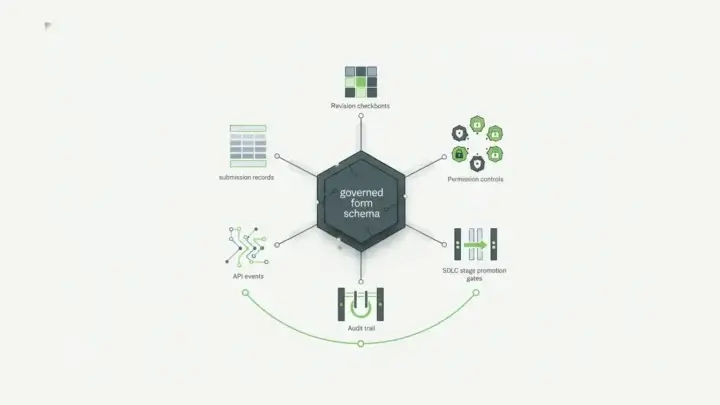
| Governance | Usually focused on individual forms | Can connect forms, submissions, roles, permissions, revisions, and workflow actions |
This is where JSON-driven forms become more than an implementation detail. They give the agency a controlled way to connect the user's form experience to the data contract that other systems rely on.
Audit-Ready Submissions And E-Signature Workflows
Government forms often need to answer questions after submission:
- Who submitted the record?
- Which version of the form governed the submission?
- Which fields changed?
- Which workflow actions ran?
- Who accessed or modified the record?
- Was the signed data changed after signature?
Those are not cosmetic features. They are evidence questions.
An audit-ready form platform should preserve more than the final rendered document. It should support submission history, form revision context, role-based access, workflow activity, and a clear relationship between the record and the form definition that produced it. Form.io's audit trail capabilities and form revision model are relevant because government forms can change while historical records still need to remain explainable.
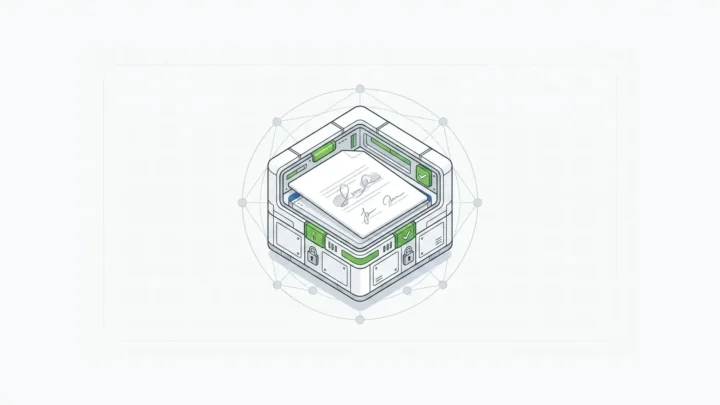
E-signature workflows add another layer. The federal ESIGN framework gives electronic records and signatures legal effect in many transactions, but the technical system still has to preserve intent, integrity, and evidence. Form.io E-Sign+ is designed for a specific version of that problem: cryptographically secure signatures tied to submission data inside a self-hosted environment. The E-Sign+ developer documentation describes signatures associated with native Form.io submission data rather than only with an exported PDF.
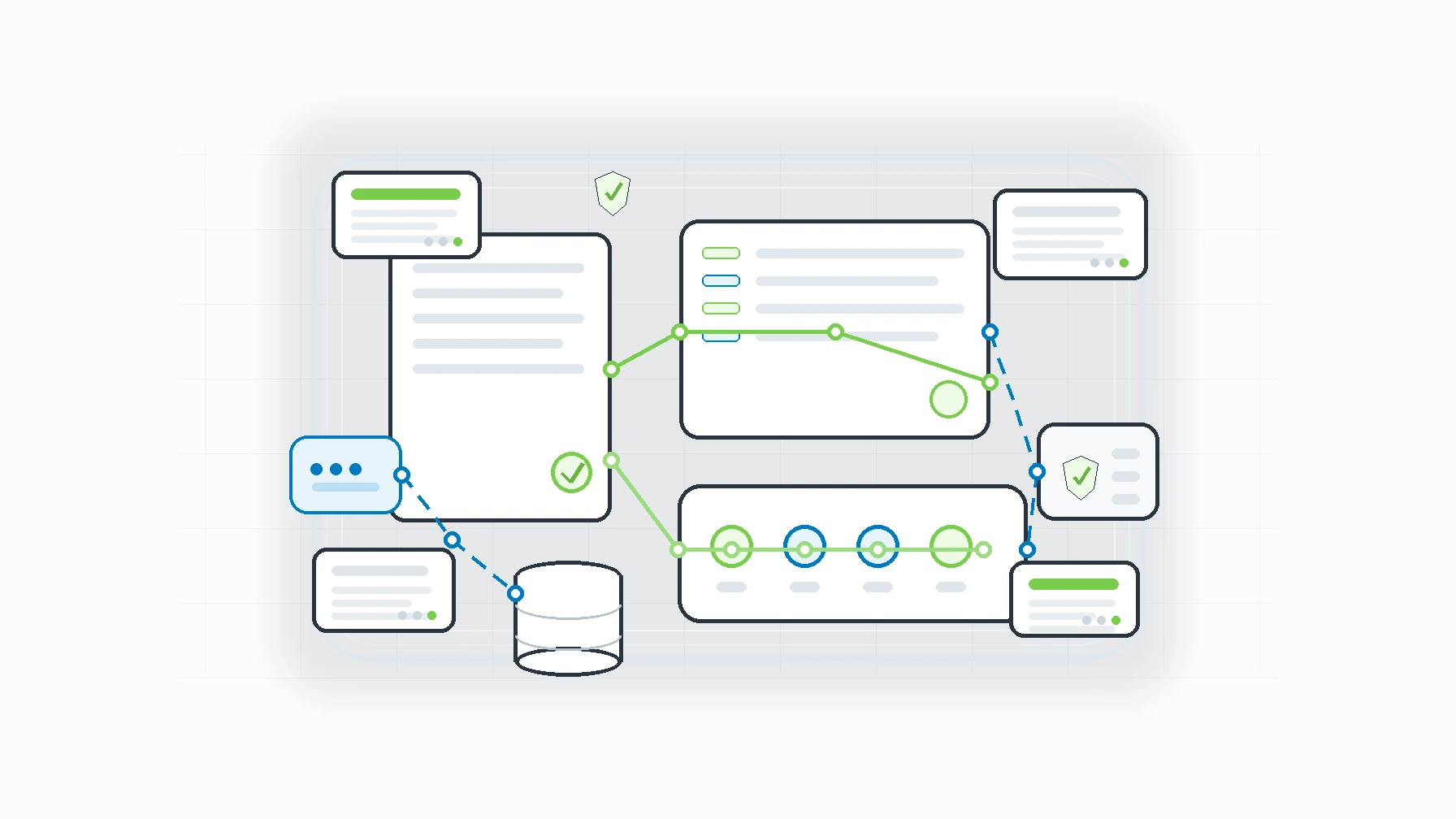
That matters when a government form is the system of record for the collected data. The signature should not drift away from the submission, schema, revision context, and workflow that give the record meaning.
For compliance officers, the walkthrough should be explicit. A strong Form.io implementation can preserve evidence across the form lifecycle:
| Evidence question | Audit or workflow evidence to preserve | Why it matters in government review |
|---|---|---|
| Who acted? | Authenticated user, role, owner, approver, or service identity tied to the action | Shows whether the action came from a citizen, caseworker, administrator, integration, or workflow service |
| What changed? | Submission ID, form ID, form revision, field keys, prior values where retained, new values, and action type | Connects the record back to the form schema and the exact submitted data under review |
| When did it happen? | Created, modified, submitted, approved, rejected, signed, or routed timestamps | Supports timeline reconstruction for investigations, appeals, audits, and retention review |
| Where did it run? | Project, environment, API endpoint, IP or request context where available, and deployment logs | Helps distinguish development, test, staging, and production behavior inside the agency's operating model |
| What workflow ran? | Submit actions, approval steps, email or webhook actions, integration calls, PDF generation, and downstream handoff status | Shows the evidence trail from intake through case routing or records transfer |
| Was the record signed? | Signature request, signer identity, signed submission data, signature timestamp, and tamper-evident relationship to the submission | Keeps e-signature proof attached to the data record rather than detached in a separate document-only flow |
The point is not to say "audit trail" or "e-signature" as a checkbox. The point is to demonstrate that a government reviewer can trace the form version, submission payload, user action, workflow event, signature event, and downstream handoff as one evidence chain.
Where Form.io Fits In A Government Architecture
Form.io is strongest when government forms are part of application infrastructure:
- Citizen intake flows that need to store data inside agency-controlled infrastructure
- Program forms that need generated APIs for downstream eligibility, permitting, licensing, or case-management systems
- Internal agency workflows where roles, permissions, and submissions need governance
- Public-facing services where Section 508 accessibility review and schema consistency both matter
- Law enforcement, justice, health, or benefits workflows where data cannot be treated as a generic SaaS record
- E-signature workflows where proof should stay attached to submission data and agency APIs
This does not mean Form.io replaces the rest of the government application stack. It means the form layer can become a governed platform layer instead of a disconnected intake surface. Agencies still need their identity architecture, hosting controls, monitoring, records policies, accessibility testing, security documentation, and authorization process. Form.io is the form, schema, submission, API, workflow, and signature infrastructure that can fit inside that larger system.
Public-Sector Evidence Across Government Tiers
Government buyers need to know whether a platform has operated beyond a single pilot or single jurisdiction. Form.io's public customer footprint spans national, state, provincial, municipal, and international public-sector environments.
| Government tier | Public example | What the evidence supports |
|---|---|---|
| Federal / national | U.S. Department of Housing and Urban Development; Ireland Department of Justice | Form.io has been selected or listed in national government contexts, which matters when agencies need more than a local intake tool |
| State / provincial | State of Ohio; Queensland Government | Form.io appears in state and provincial government environments where citizen services, agency workflows, and controlled data collection need platform-level infrastructure |
| Local / municipal | City of Ottawa | Municipal government proof matters because city services often combine public-facing forms, internal routing, accessibility review, and records obligations |
| International public sector | Ireland Department of Justice; Queensland Government; City of Ottawa | Form.io's government relevance is not limited to one country's procurement vocabulary or agency model |
Form.io’s enterprise customer page lists public-sector customer logos including State of Ohio, Ireland DOJ, Queensland Government, and City of Ottawa. Form.io also published a HUD selection announcement, and Queensland Government maintains public Form.io-related form infrastructure and component resources. This evidence does not certify any individual deployment as FedRAMP, FISMA, CJIS, or StateRAMP compliant. It does support the narrower and more useful claim: Form.io is already operating in the kinds of government contexts where self-hosting, schema control, auditability, accessibility, and integration fit matter.
Evaluation Checklist For Government Data Collection
Before choosing a government form platform, ask:
- Can the platform be deployed in the agency-controlled environment required for the data class?
- Can the deployment model support FedRAMP, FISMA, NIST 800-53, StateRAMP, CJIS, or other required review paths without sending submissions through an uncontrolled vendor boundary?
- Can public-facing forms support Section 508 accessibility review?
- Can form definitions align with JSON schema, NIEM-style exchange needs, HL7 FHIR resources, or internal agency data dictionaries?
- Can the schema map form field keys, nested objects, validation rules, and API payloads to agency data dictionaries or NIEM-style exchange requirements before collection begins?
- Are submissions available through structured APIs instead of only spreadsheet exports?
- Can the platform preserve form revisions, submission history, permissions, user identities, timestamps, action logs, workflow events, and integration handoff evidence?
- Can e-signature proof stay attached to the submitted data rather than only to an exported document?
- Can the deployment diagram show Form.io, submissions, files, logs, identity, database, and downstream integrations inside the agency-approved boundary?
- Can the agency operate dev, test, and production environments under its own SDLC?
If the answer is no, the issue may not appear until late in procurement or security review. That is expensive. Government form infrastructure should be evaluated before the first high-risk workflow is routed into a generic form tool.
When Form.io Is The Right Fit
Form.io is a strong fit when an agency needs self-hosted government forms, structured data collection, generated APIs, embedded workflows, audit-ready records, and e-signature support inside a controlled deployment boundary.
It is not the right fit when the only need is a simple public contact form, a short survey, or a low-risk document-signing workflow where the agency is comfortable using an external hosted tool.
That tradeoff is the point. Government data collection deserves infrastructure that respects the real constraints: compliance, sovereignty, accessibility, interoperability, auditability, and control.
Try Form.io for free